Fundamentals of Judaism
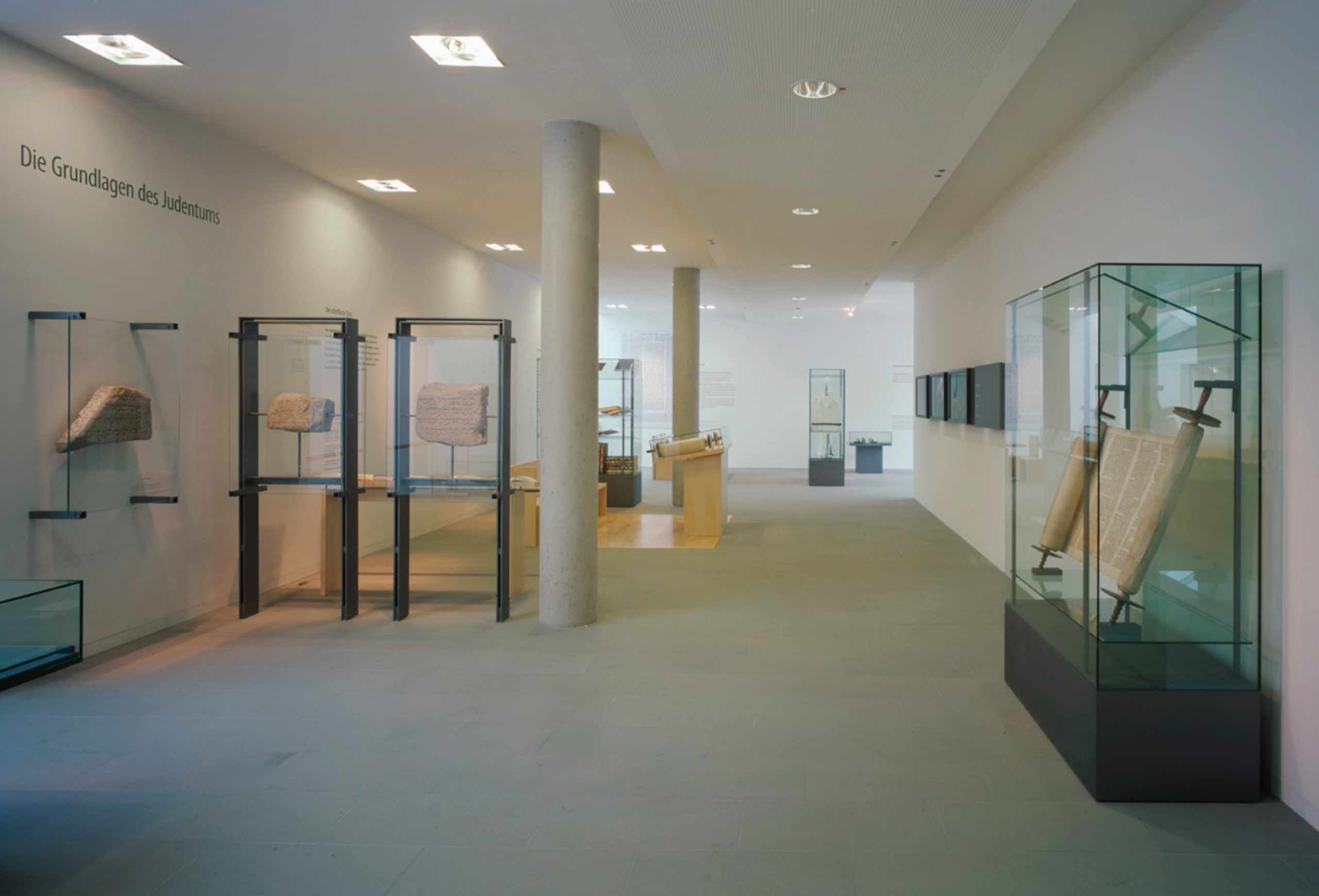
The lifeblood of observant Judaism is the “613 commandments and prohibitions” laid down once and for all by God in the “Written Torah,” that is, in the first five books of the Bible. They want the discussions among the scribes to continually guide them toward the questions and possibilities of the current generation.
These efforts by the scribes, which have always been the subject of controversy, have been reflected for millennia in the “Oral Torah,” which, according to Jewish belief, holds the same status of revelation as the “Written Torah.”
The museum illustrates the never-ending process of revelation, which continually finds new expression in the developments of “Halacha.” And it shows the details of the work of a Torah scribe, who not only produces Torah scrolls, but also mezuzot and tefillin.
Life and Celebrations
For observant Jews, there is a calendar system that differs from the standard calendar. They translate the worship of God into a rhythm that gives a new structure to everyday life. Fundamentally, this involves the three daily prayer times, but above all the Sabbath and the annual festivals with their rituals.
The museum explains and describes all of this, as well as the very different Jewish calendar.
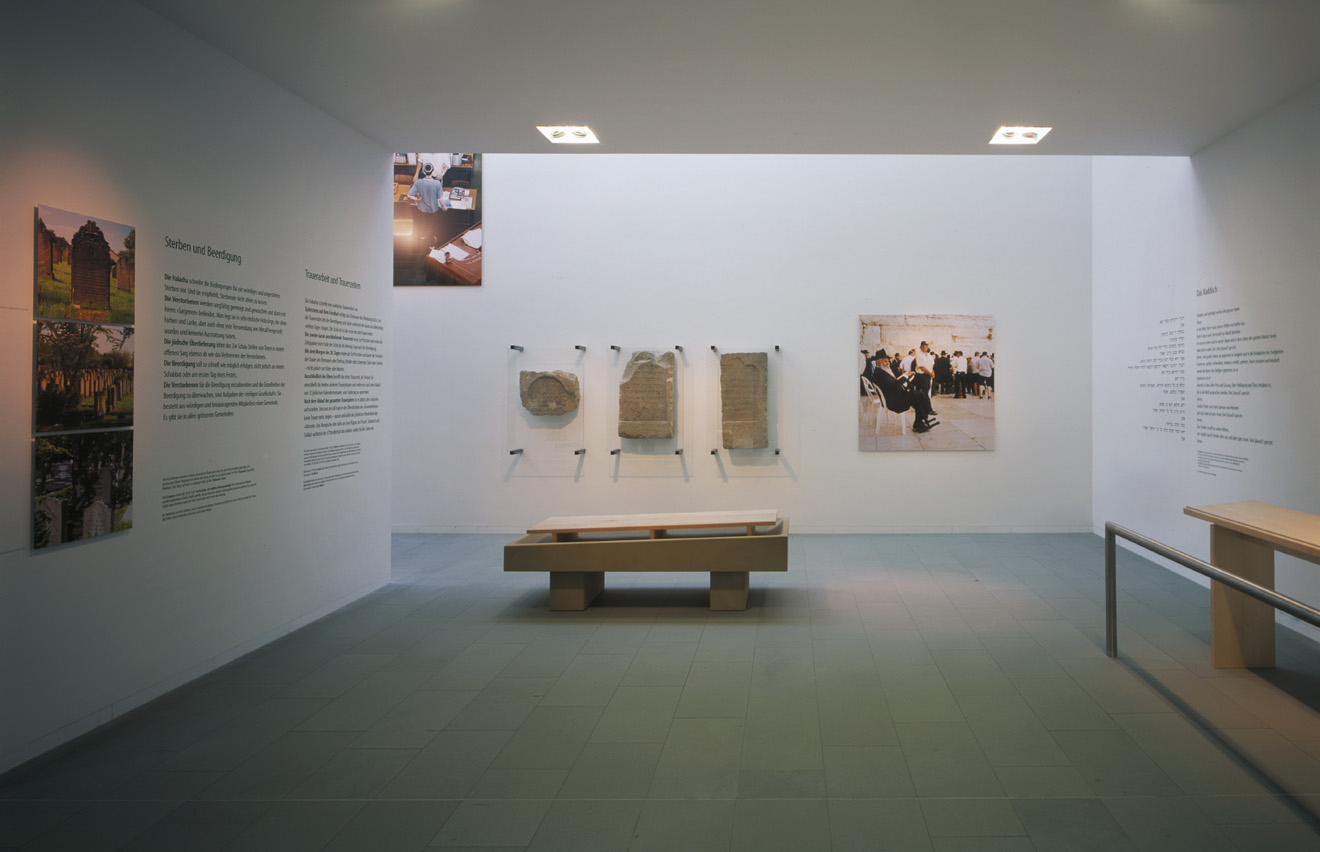
Mourning and Prayer
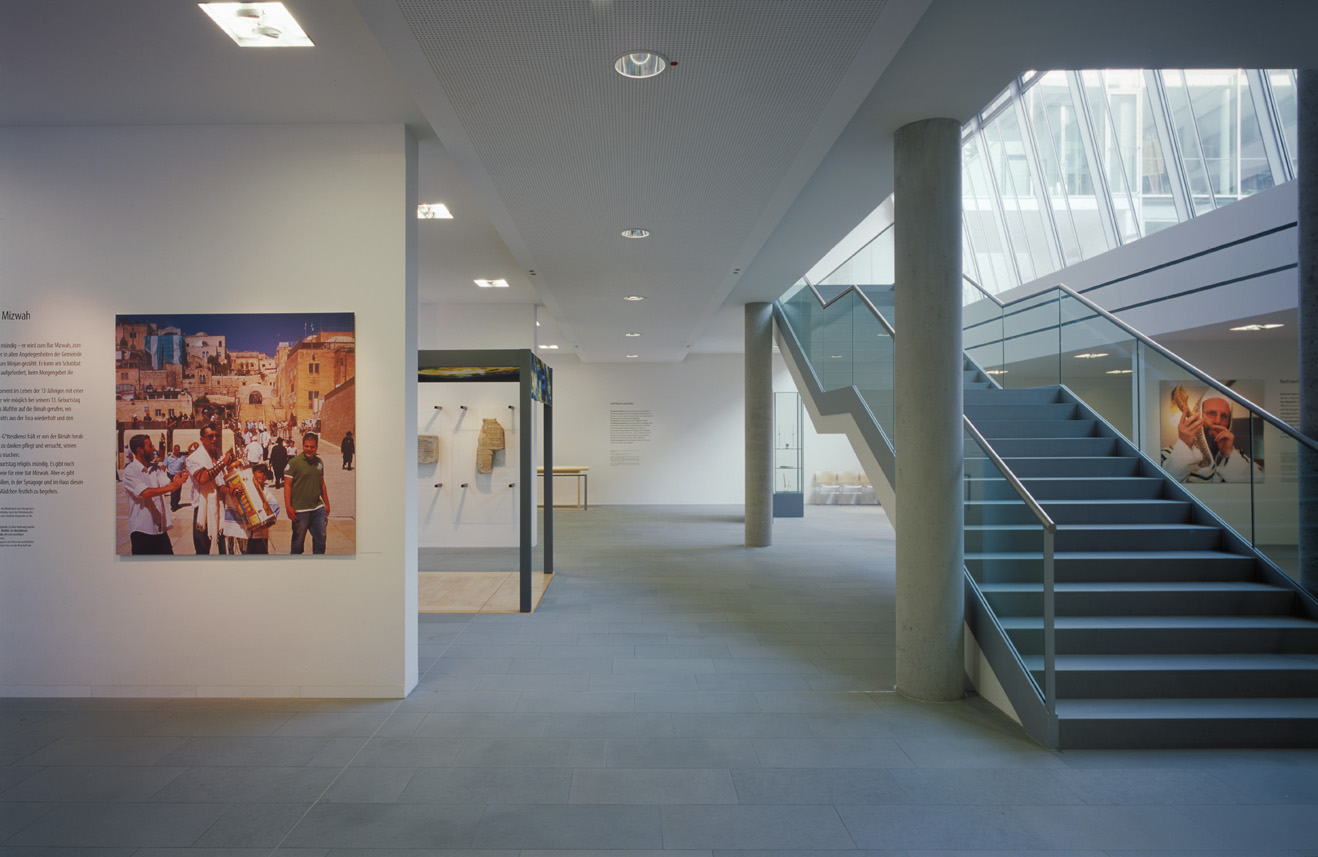
The museum provides a detailed look at the milestones in a traditional Jewish life: birth, circumcision, naming ceremonies, bar and bat mitzvahs, weddings, as well as passing, death, and mourning.
It also explains the unique features of Jewish prayer and prayer books, the roles within the congregation, and the basic rules for eating and drinking.
Jews in Würzburg
Jews have lived in Würzburg since 1100. The community initially experienced a rapid rise that continued into the second half of the 13th century, establishing the town as a highly regarded center of “Talmud Torah” in Europe. This positive trend did not come to an end until the pogroms of 1298 and 1349.
By the end of the 19th century, the Jews of Würzburg, under the leadership of Rabbi Seligmann Bär Bamberger, had once again attained a prominent position in Europe: the “Würzburg Rav” made a name for himself worldwide as a level-headed champion of a cosmopolitan form of Orthodox Judaism.
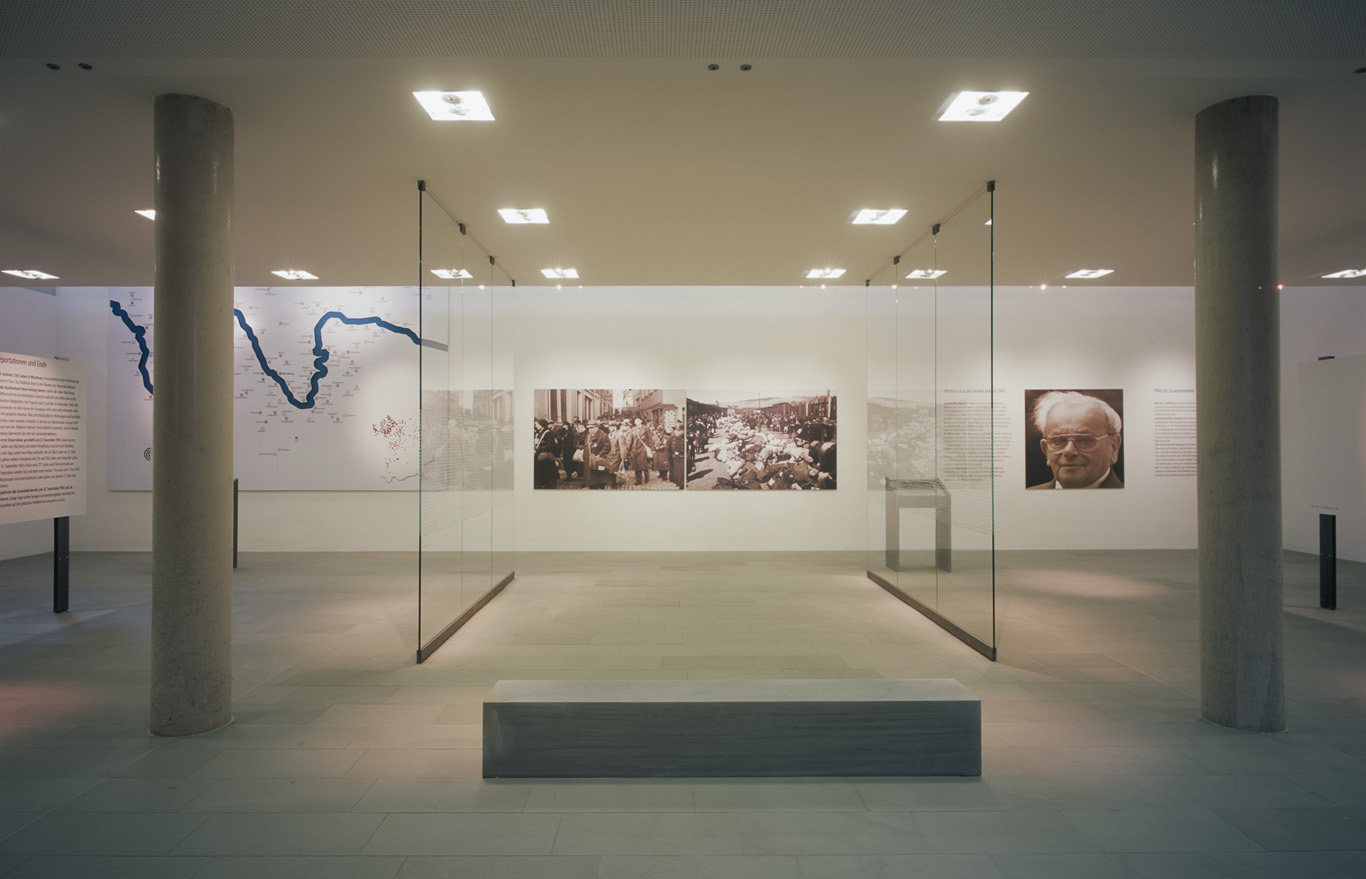
The Holocaust hit the Jews of Würzburg head-on. 895 members of the congregation are murdered. The museum carefully preserves their names.
After the end of World War II, the Jews in Würzburg managed to maintain their traditional Jewish community. With the new Shalom-Europa Community Center, they are laying the groundwork for the successful integration of new immigrants from the former Soviet Union.
Jewish Tombstones 1147–1346
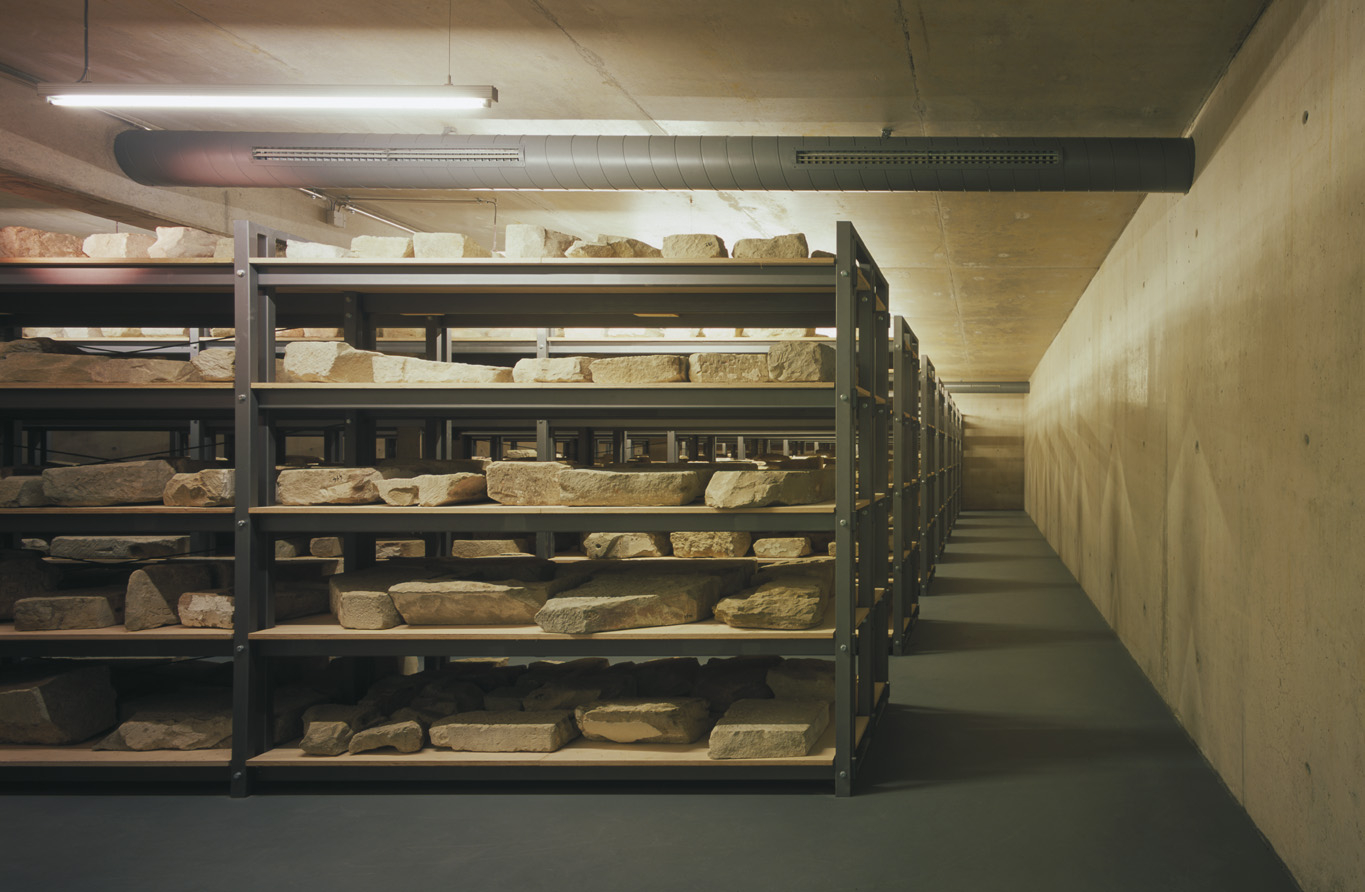
Starting in January 1987, 1,456 Jewish tombstones and fragments of tombstones were recovered during the demolition of a house in the Pleich district of Würzburg.
They date from the period between 1147 and 1346. It is the largest collection of artifacts from a medieval Jewish cemetery in the world.
The Jews of Würzburg recognized the potential for pioneering Jewish identity in the inscriptions on these tombstones and therefore deliberately placed them in plain view within the foundation of their new community center.
In addition, 18 gravestones illustrate themes related to the museum.